Nsbidi Code
Women's Hidden Voices in Holy Script
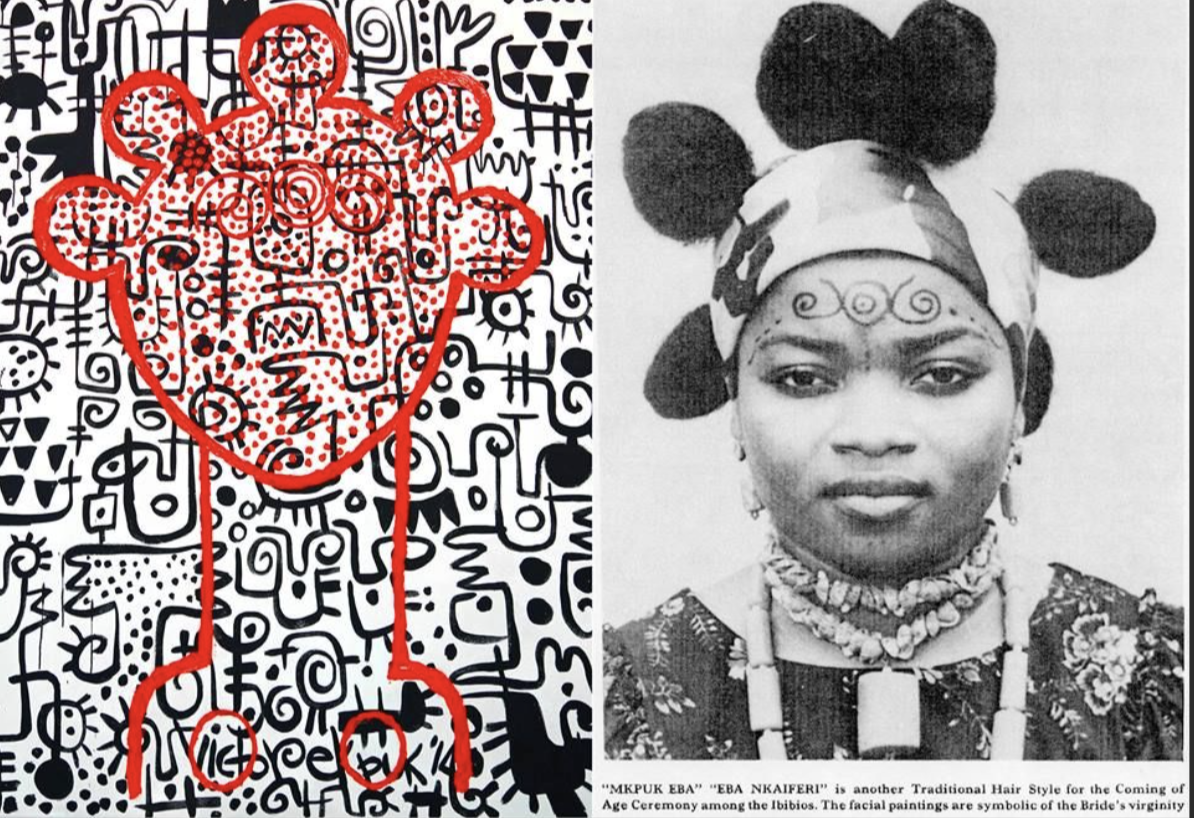
Nsibidi is an ancient ideographic script system used by communities in southeastern Nigeria, including the Ekoi, Efik, Ibibio, and Igbo peoples. Believed to have originated as early as the 5th century CE, it is regarded as one of Africa’s earliest forms of writing. Though traditionally tied to male-dominated secret societies like the Ekpe brotherhood, Nsibidi also provided women with spaces for expression and resistance in precolonial public and decorative contexts. In cultures where social power was largely held by men, Nsibidi became a covert tool for women to challenge gender norms—transforming its symbols through art, textiles, and daily practices into a cipher against patriarchal oppression.
What is Nsbidi Code?
Historical Background and Development
| Aspects | Details |
|---|---|
| Social Exclusion | Traditionally, Nsibidi was associated with male secret societies (e.g., Ekpe), and women were excluded from its formal use and sacred teachings. |
| Convert Transmission | In precolonial times, women learned decorative versions of Nsibidi through communal gatherings and domestic activities, using it on pottery, textiles, and body adornment. |
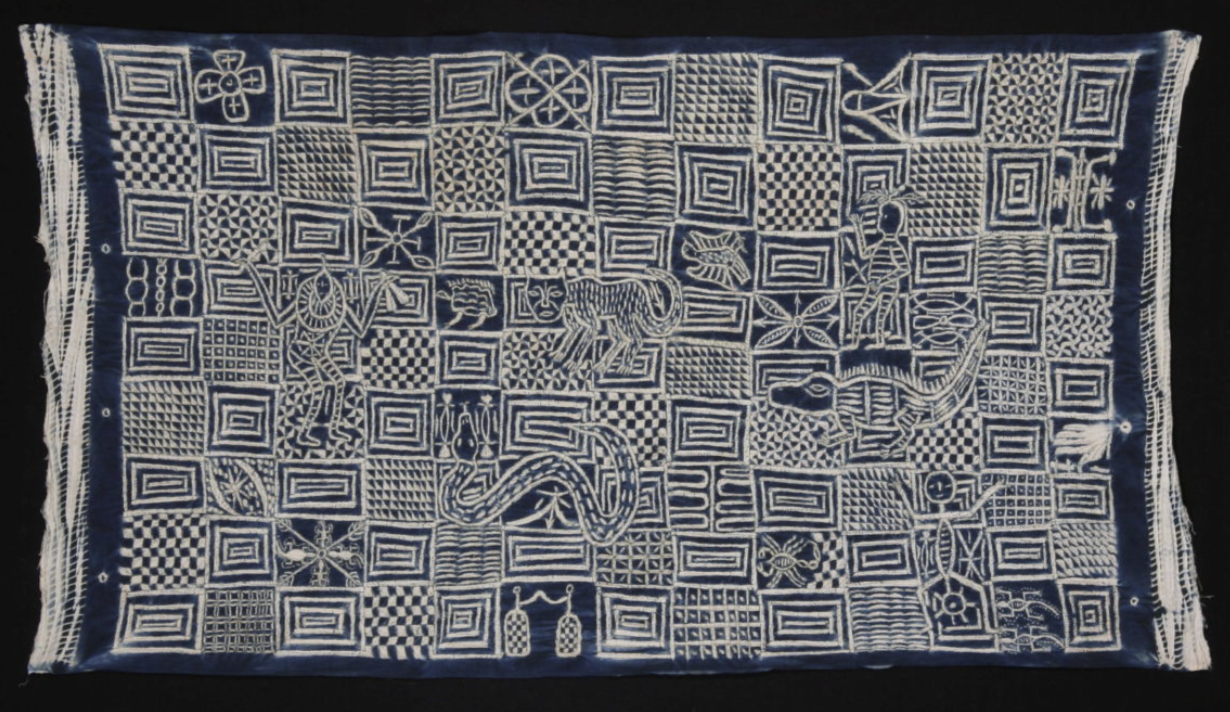
| Symbols of Resistance | In the 19th century, women inscribed Nsibidi symbols on ukara ekpe cloth, challenging male monopolies on power and knowledge, and imbuing textiles with spiritual meaning. |
| Transmission Method | Passed down through sworn sisters (jiebai) during gatherings, with the practice of su kelian (expressing women’s hardships). |
| Modern Awakening | Post-20th century, Nsibidi has been reexamined in academic and artistic revivals, with female artists using it to express struggles of gender and cultural identity. |
How Did Women Use Nsbidi Code?
Decoration: Silent Protest on Fabric
In the Ejagham and Efik communities of southeastern Nigeria, women transform ukara ekpe cloth—traditionally dyed by men—into canvases of resistance by painting Nsibidi symbols such as the “double-crossed lines” (symbolizing unity) or the “spiral” (representing the continuity of life). Through this, they infuse everyday labor with cultural power, challenging male monopolies over Nsibidi’s use. For example, in the 19th century, postmenopausal women secretly dyed fabrics with Nsibidi symbols to mark their status and community identity, subtly protesting male control over ritual authority. This decoration is not merely art; it is the intersection of body and culture, using lines to inscribe suppressed will.
Secret Language: Symbolic Transmission in Gatherings
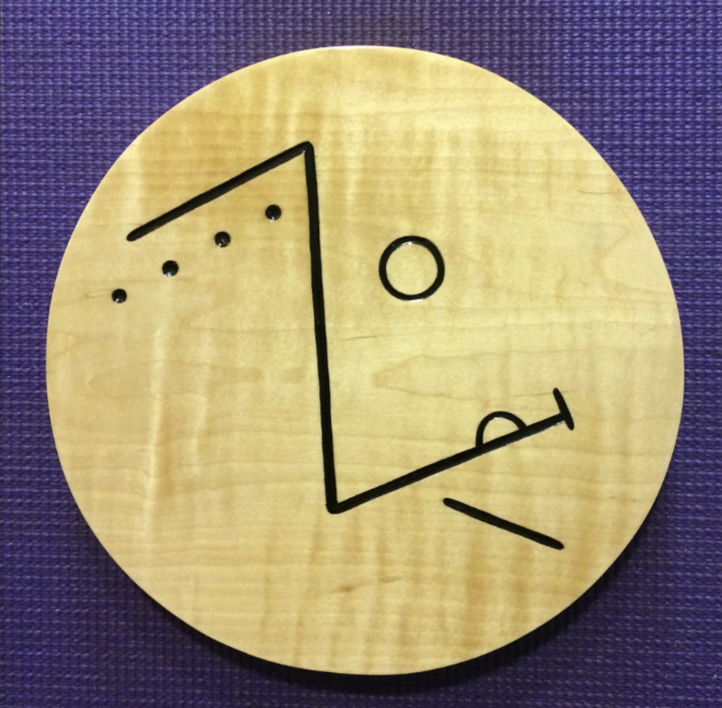
Women created covert communication channels by teaching decorative versions of Nsibidi in gathering spaces, such as Ejagham art centers. They etched symbols like “circles and dots” (symbolizing protection) onto pottery or incorporated “wavy lines” (representing flow and life) into body art, asserting that “women’s hands can also transmit wisdom.” This practice elevated daily rituals and built female networks in male-dominated societies. For instance, Efik women adorned wedding or childbirth ceremonies with Nsibidi symbols, embedding them into collective memory and creating a unique cultural transmission method that bypassed formal education.
Writing: Symbolic Resistance on Pottery and Bodies
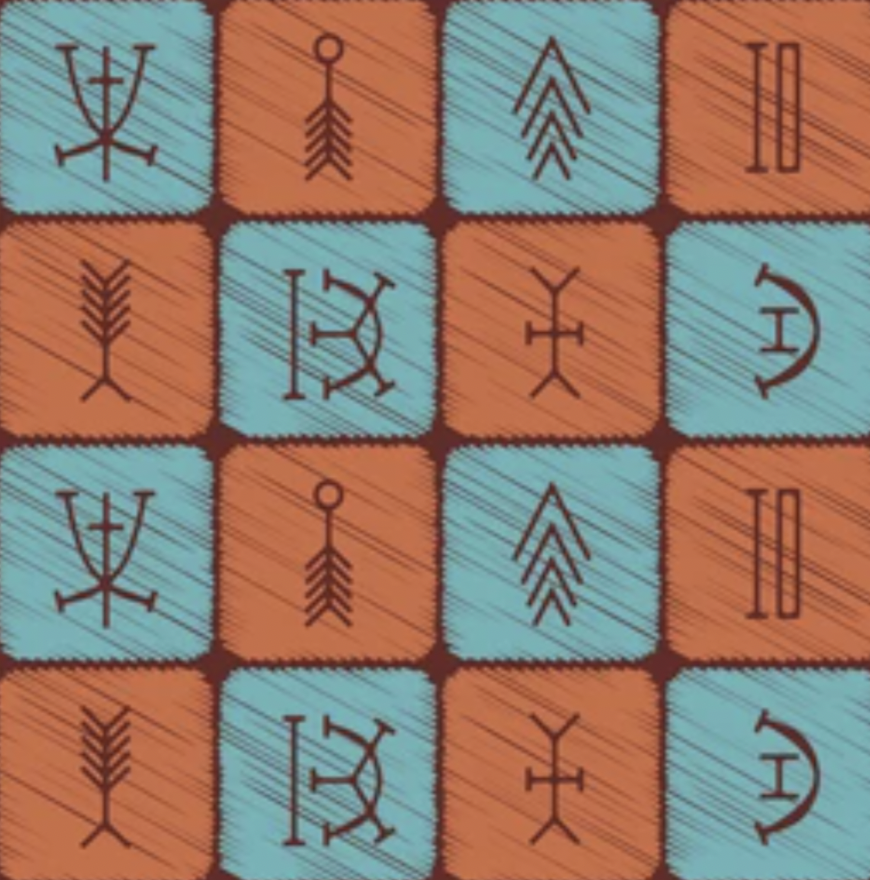
Despite the male monopoly over Nsibidi’s sacred forms, women found ingenious ways to break boundaries. In precolonial Cross River regions, women etched Nsibidi symbols like the “triangle” (symbolizing strength) onto pottery to document family histories and protest gender oppression. Some even incorporated Nsibidi into body art, such as marking their arms with “crossed lines” during 19th-century rituals, challenging male control over bodies and culture. These acts of writing were not just personal expressions but direct defiance of patriarchal norms, proving that symbols could transcend gender and power divides.
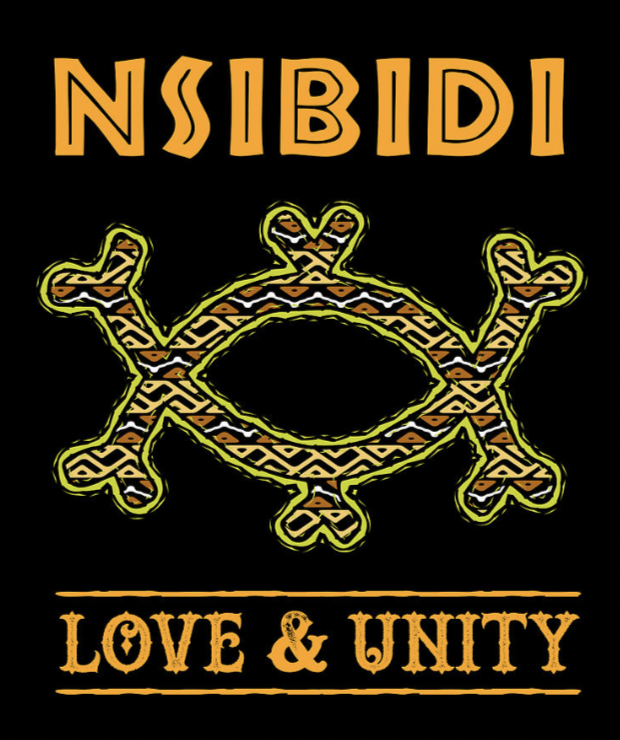
In the feminist reinterpretation of Nsibidi symbols, women challenge traditional definitions of male power through symbolic anatomy, transforming these ancient ideograms into tools for showcasing female creativity. For example, female artists reinterpret the “double-crossed lines” as “the bond of sisterhood,” countering its traditional association with “male society authority.” Similarly, they emphasize the “spiral” as a symbol of “fertility and continuity,” critiquing the male-dominated interpretation that narrowly confines it to “ritual cycles.” In a visual revolution, women breathe new life into decorative symbols: on pottery, they reinterpret the “circle and dot” as “family shelter,” replacing the male society’s reading of “sacred protection,” while the “wavy line” is subverted from its traditional meaning of “river and obedience” to “the flow and resistance of life,” suggesting that “women’s power is as unstoppable as water.” Through gendered decoding of symbolic meanings, women point out that traditional Nsibidi interpretations often link “strength” symbols to male warriors, while they redefine them as “labor and resilience,” symbolizing women’s creativity and survival wisdom. This effort highlights their struggle against patriarchal oppression through cultural reinterpretation.
Feminist Reinterpretation of Nsbidi Symbols
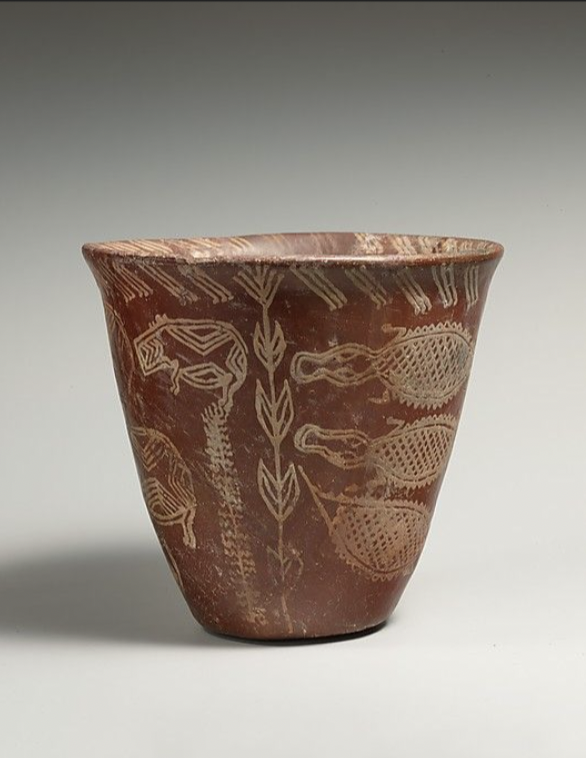
Conclusion: The Light Through the Cracks of Symbols
Nsibidi once stood as a fortress of male power, barring women from sacred knowledge. Yet with weaving needles, clay, and body art, they chiseled cracks into its walls. Today, as modern female artists reclaim Nsibidi to create contemporary works, and as scholars enshrine these symbols in the halls of cultural revival, the voices suppressed for millennia finally pierce through the stone walls of colonialism and patriarchy. This is no desecration of tradition—it is its fulfillment. For the hands of women have always been the true scribes of Nsibidi.