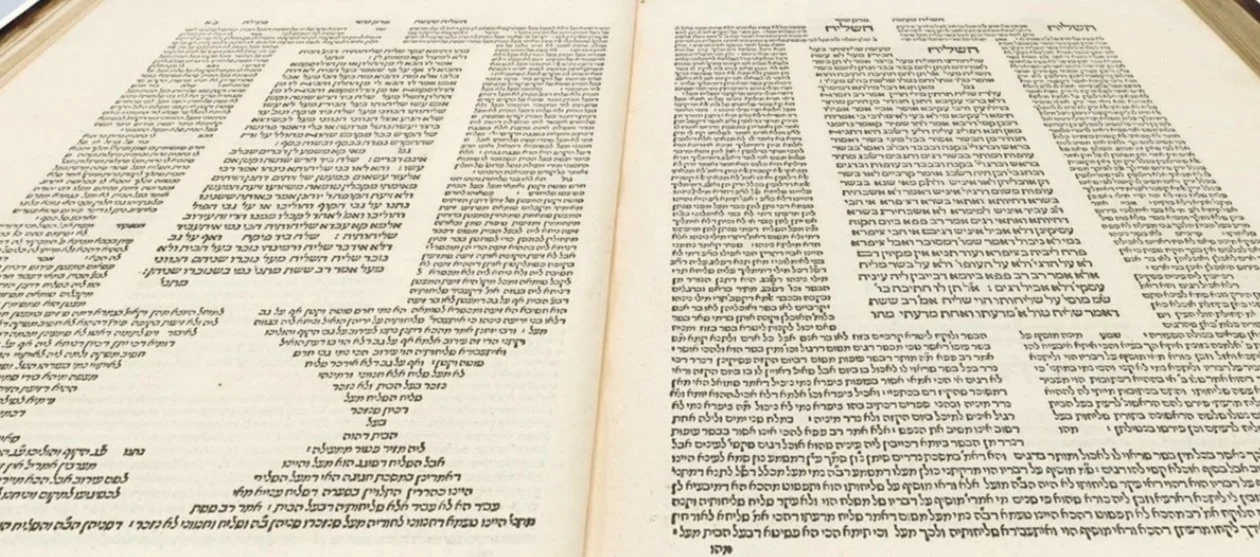
Loshn-koydesh
Women's Hidden Voices in Holy Script
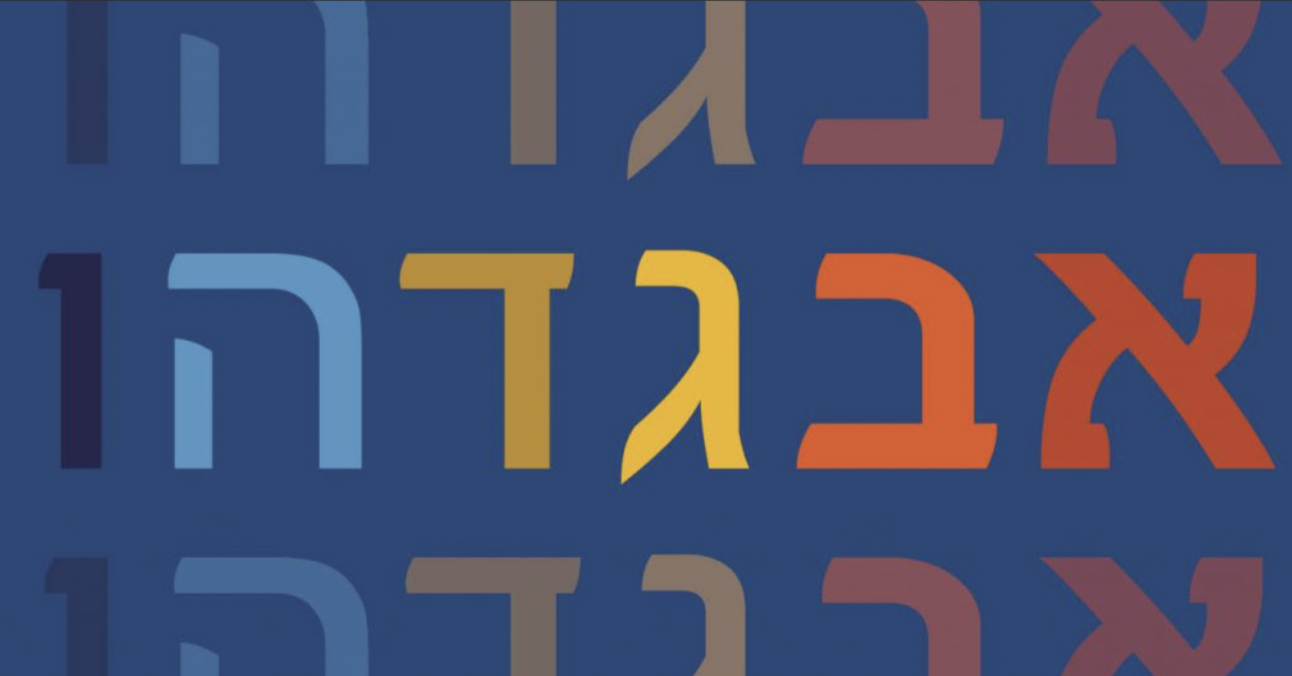
What is Loshn-koydesh?
Loshn-koydesh (לשון־קודש, "Holy Language") refers to the combined use of Hebrew and Aramaic in Jewish tradition, reserved exclusively for religious ceremonies and sacred texts. However, throughout the millennia-long history of male domination over religious authority, women were systematically barred from learning and using this language. It was precisely under such oppression that Loshn-koydesh became a covert battleground where Jewish women fought for their right to expression. Through embroidery, secret codes, and mystical practices, they transformed the "Holy Language" into a form of resistance — a cryptic tool to challenge gender restrictions.
| Aspects | Details |
|---|---|
| Religious Exclusion | In the Middle Ages, the Talmud stipulated that "teaching one's daughter Torah is pointless." Women were prohibited from entering Yeshivas (religious academies). |
| Secret Transmission | Eastern European Jewish women phonetically transcribed Hebrew prayers into Yiddish, such as in the Techinas, expressing the sacredness of childbirth and household duties. |
| Symbols of Resistance | In the 17th century, Sarah Bas Tovim wrote The Book of Sighs in Aramaic, criticizing rabbinical authority. |
| Transmission Method | Passed down through sworn sisters (jiebai) during gatherings, with the practice of su kelian (expressing women’s hardships). |
| Modern Awakening | The feminist movements of the 20th century pushed for women to publicly read from the Torah and rewrite marriage contracts. |
Historical Background and Development
How Did Women Use Loshn-koydesh?
Embroidery: Sacred Texts on the Tip of Needle — Resistance Through the body
Eastern European Ashkenazi women embroidered Hebrew letters such as ב (Bet, symbolizing creation) and ש (Shin, representing the name of God) onto headscarves and baby swaddles, transforming household labor into an act of sacred writing. Through this practice, they imbued everyday fabrics with spiritual meaning, challenging the male monopoly over the sacred realm.
In 18th-century Germany, women went even further — they embroidered excerpts from Song of Songs, such as “My beloved is mine, and I am his”, onto the edges of white cloth used during the ritual purification (Niddah). This subtle act was a hidden protest against the male control over female bodies. These embroidered works were not just art; they were the intersection of body and faith, using needle and thread to write the silenced voices of women.
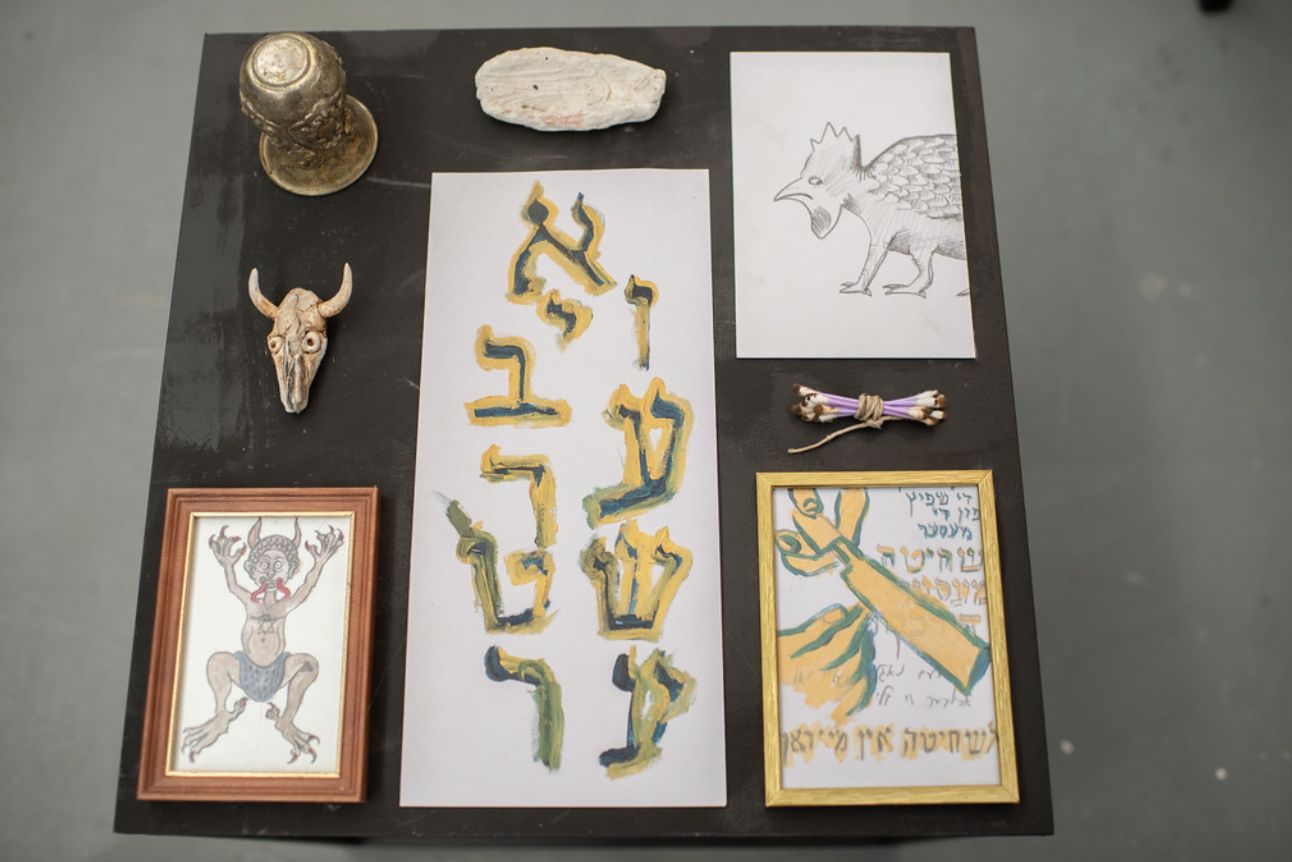
Secret Codes: Kabbalistic Transmission in Kitchens and Cradles
In North Africa, Jewish women would knead חַי (Chai, meaning “life”) into the dough when preparing Sabbath bread, believing that “a woman’s hands endow food with a soul,” thus transforming the kitchen into a secret sacred space. These actions not only elevated domestic labor but also reinterpreted traditional Kabbalistic mysticism.
Meanwhile, in Yemen, Jewish mothers would hum lullabies in Hebrew, with rhythmic phrases like “May my daughter, like Miriam the prophet, raise her copper mirror to witness the parting of the Red Sea”. By embedding Loshn-koydesh into their children’s earliest auditory memories, these women bypassed formal education restrictions, creating a unique female method of transmitting the sacred language.
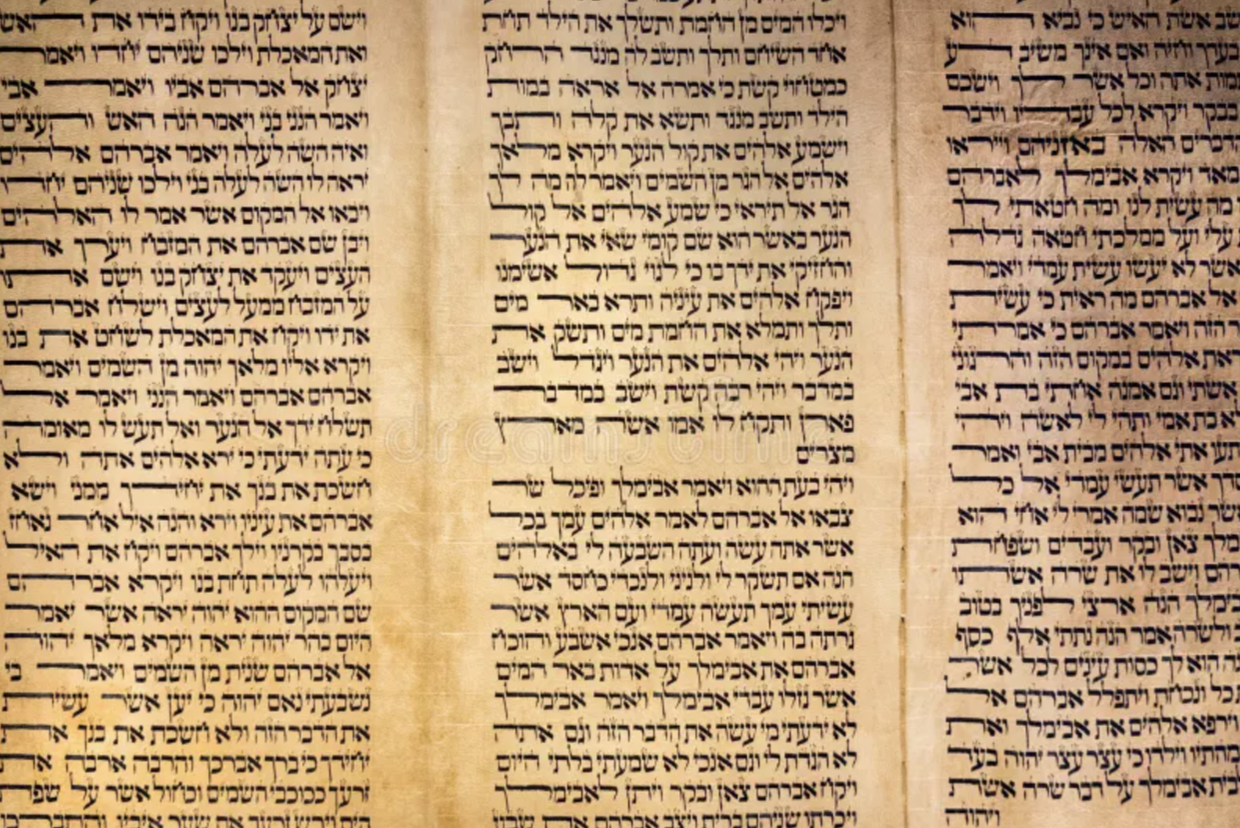
Writing: Transcendence and Deviance Through Ink
Despite religious prohibitions against women participating in the writing of sacred texts, some women found astonishing ways to break through these boundaries. In 19th-century Lithuania, a widow named Leah Goldberg published Talmudic commentaries under a male pseudonym, exposing injustices in marital law and using Loshn-koydesh to challenge scholarly authority.
During World War II, women in the Theresienstadt concentration camp sewed Hebrew letters onto fabric scraps, teaching children to piece together the word תקווה (Tikvah, meaning “hope”). They transformed the sacred language into a force of survival. These acts of writing were not only personal expressions but also direct confrontations against oppressive norms, demonstrating that ink — and even thread — could transcend both gender and suffering.
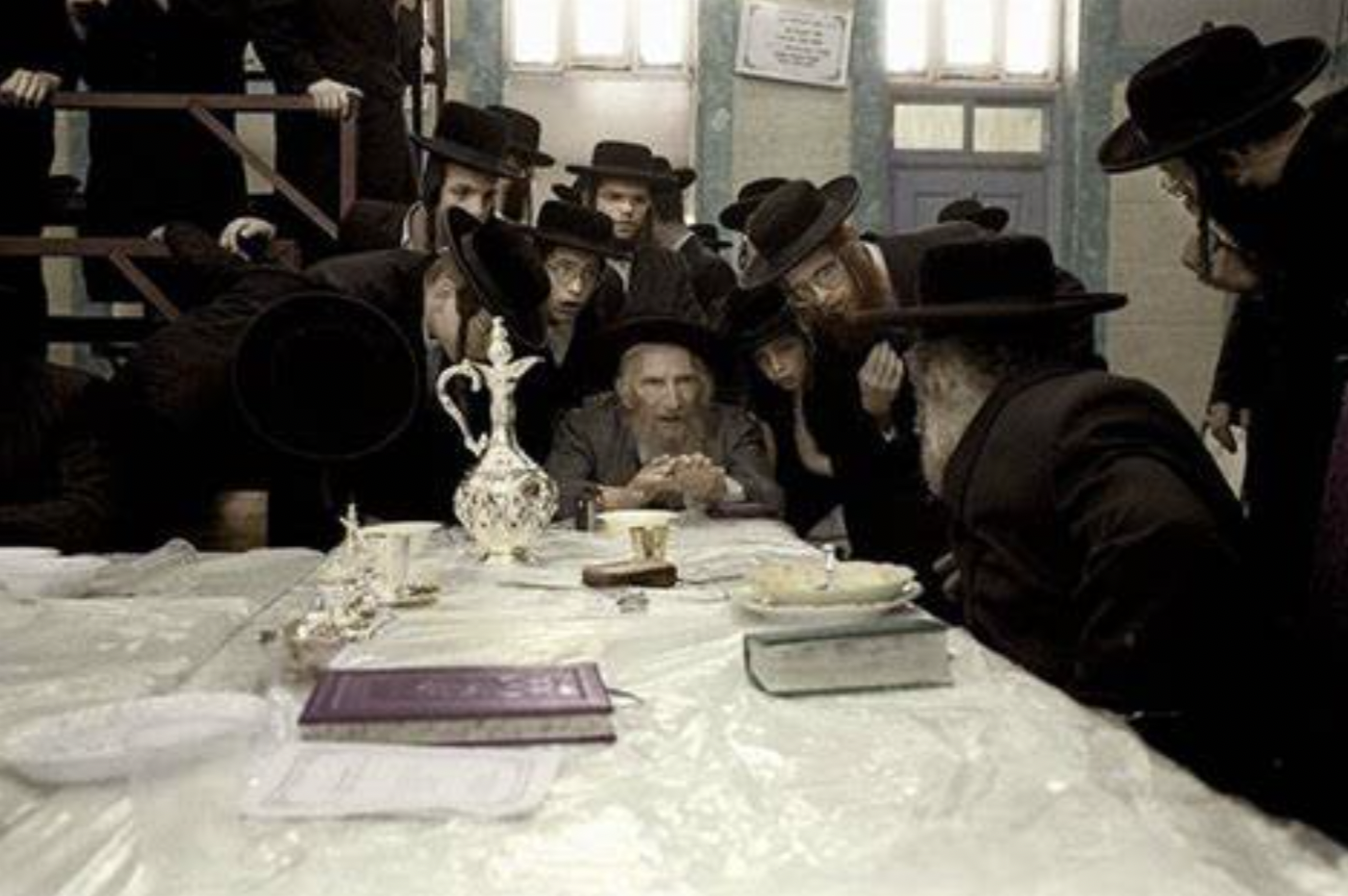
The modern resistance of Loshn-koydesh has evolved from hidden whispers into a global gender revolution. In ritual rebellion, Jewish women in the 1990s collaboratively wrote the first "Women’s Torah" in the United States, embedding red threads into the sacred letter י (Yud) to honor menstrual and childbirth blood, etching bodily experience into religious scripture. In 2013, the organization Women of the Wall chanted the Torah aloud in Loshn-koydesh before Jerusalem’s Western Wall, defying Orthodox decrees that silence women, transforming the ancient syllables into a rallying cry for protest. In the realm of art and technology, programmers developed the AI tool Shekhina.exe, converting women’s prayers into three-dimensional Hebrew letter sculptures, declaring that “code is the new Midrash (interpretation).” On social media, young women spread rewritten blessings under the hashtag #לַחַיּוֹת (to give life), such as “May your womb be free like the parting of the Red Sea,” reframing biblical narratives as declarations of bodily autonomy. On the frontlines of educational subversion, women in Brooklyn’s ultra-Orthodox communities secretly run “underground yeshivas,” using lipstick to inscribe controversial Talmudic passages on bathroom mirrors, turning reflective surfaces into chalkboards of dissent. Meanwhile, nonbinary activists forge the new pronoun אֵלֶה (Eileh), blending Hebrew’s masculine and feminine suffixes to dismantle millennia of gender binary grammar. These acts no longer linger in the shadows of embroidery rooms—they wage battles through code, streets, and classrooms, forging Loshn-koydesh into a key to shatter the chains of theocracy and patriarchy.
Feminist Reinterpretation of Sacred Letters
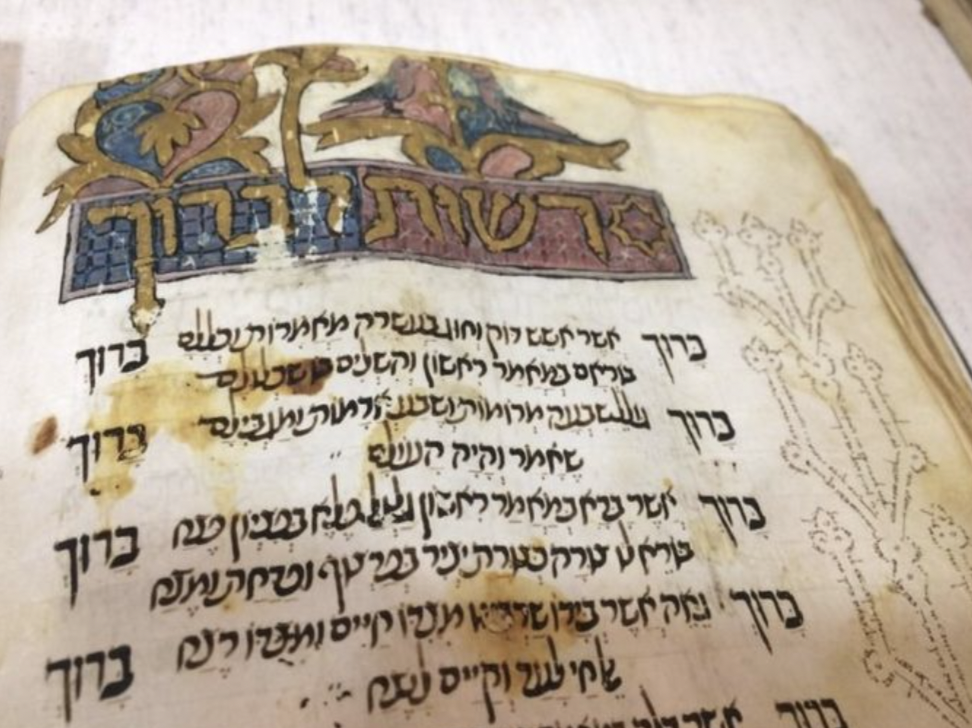
From Whispers to Movement: The Modern Resistance of Loshn-koydesh
Jewish women have challenged the hegemony of traditional male theology through feminist reinterpretations of Loshn-koydesh’s sacred letters and grammar, carving out new spaces of meaning. In letter anatomy, Kabbalistic feminists reinterpret the Hebrew letter א (Aleph) as “the silence of the womb,” countering its traditional definition as “the breathless supremacy of masculinity.” Meanwhile, radical Jewish women emphasize that מ (Mem) symbolizes “water and nourishment” in prayers, critiquing rabbinic texts that demean breastfeeding as “unclean physical labor,” thereby reclaiming the sacredness of the female body as a political act.
In grammatical revolution, women in Reform liturgy use feminine verb conjugations to address the divine, such as היא תגן (She will protect), replacing the traditional masculine form הוא יגן, restoring a feminine face to divinity. Simultaneously, female exegetes reinterpret the “virtuous woman” in Proverbs 31, revealing that the original Hebrew term חַיִל (chayil, strength) is a military term, implying “the home is a woman’s battlefield”—subverting the obedient housewife narrative.
Through gendered decoding of Gematria (numerology), feminists expose how אִשָּׁה (ishah, woman) shares the numerical value 311 with שָׂטָן (satan, devil), unmasking misogynistic codes embedded in scripture. Reformers, however, recalibrate the math: אִשָּׁה = אוֹר (or, light) + שִׁיר (shir, song) = 277, symbolizing women’s creativity and luminosity.
This multilayered reinterpretation not only deconstructs the gender bias within sacred language but also equips women with potent symbolic weapons in their struggle for equality across religious and cultural realms.
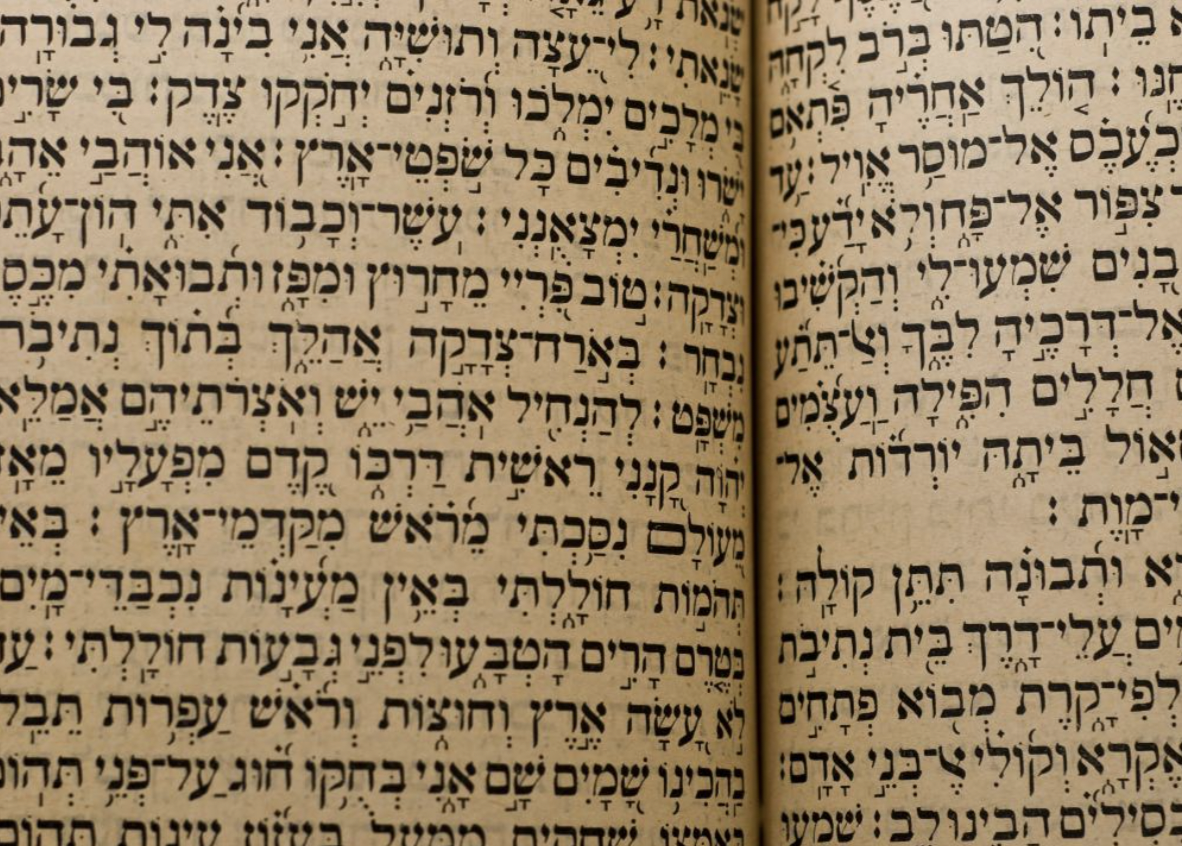
Conclusion: The Light Through the Cracks of Sacred Language
Loshn-koydesh once stood as an impenetrable wall, barring women from sacred discourse. Yet with embroidery needles, bread dough, and mirror reflections, they chiseled cracks into its surface. Today, as 21st-century female rabbis carry the Torah toward the Ark, and algorithms transmute mothers’ prayers into data cathedrals, the voices suppressed for millennia finally pierce through parchment and the stone walls of yeshivas. This is no sacrilege—it is the ultimate sanctification. For the tongues of women have always been the dwelling place of the Shekhinah.