Jiangyong Nüshu
The Hidden Script of Female Solidarity
What is Jiangyong Nüshu?
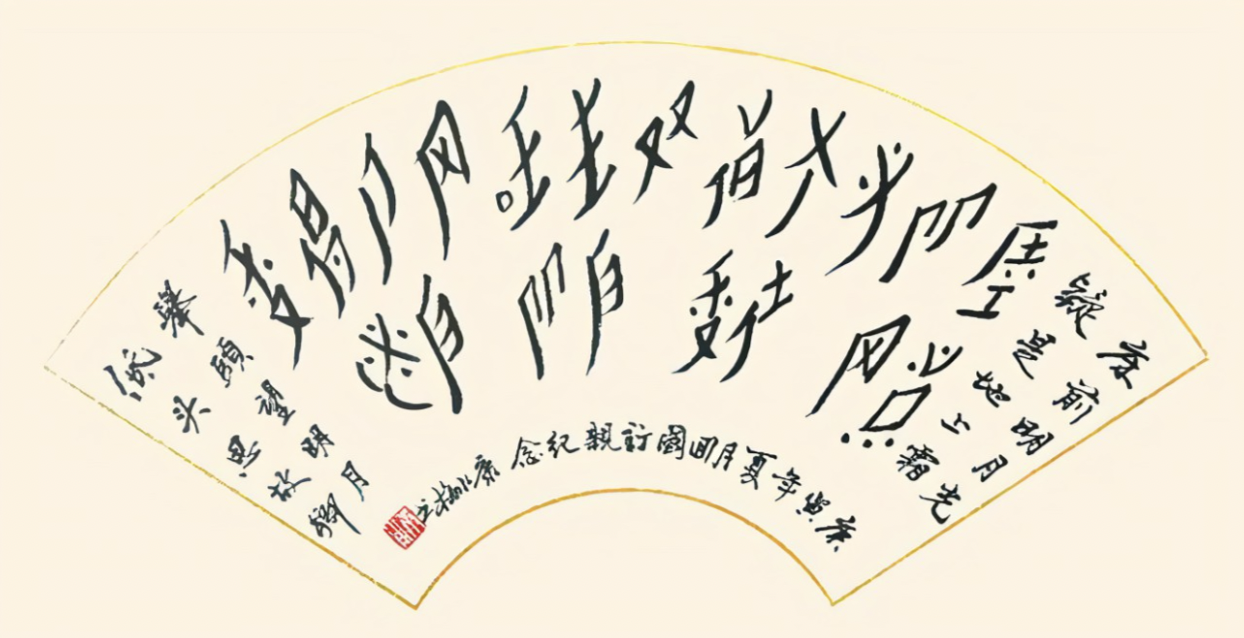
Jiangyong Nüshu (literally "women's writing") is a unique script developed by women in Jiangyong County, Hunan Province, China, to transcribe their local dialect. Comprising approximately 1,800 syllabic characters—each representing a distinct syllable—this writing system emerged in the 19th century and endured through the early 20th century.
| Aspects | Details |
|---|---|
| Origin | The origin is uncertain, with no written records, and it is rooted in local folklore. |
| Creation Legend | Includes three legends — the Court Maid legend, the Pan Qiao legend, and the Jiu Jin Nv legend — possibly created by women skilled in embroidery and folk songs. |
| Evolution & Cultural Context | Influenced by the hot and humid environment, textiles and paper were difficult to preserve. Before 1949, it was closely linked to women's domestic activities. |
| Transmission Method | Passed down through sworn sisters (jiebai) during gatherings, with the practice of su kelian (expressing women’s hardships). |
| 20th Century Development | Suppressed during the Japanese invasion (1930s–1940s) and the Cultural Revolution (1966–1976). The last known user, Yang Huanyi, passed away in 2004. |
| 21st Century Development | In 2002, the Nüshu Museum was established. In 2003, official Nüshu inheritors were designated. In 2005, the Ford Foundation provided $313,397 USD in funding (adjusted to 2023 value). |
Historical Background and Development
The Mystery of Origins: The Interweaving of Legend and History
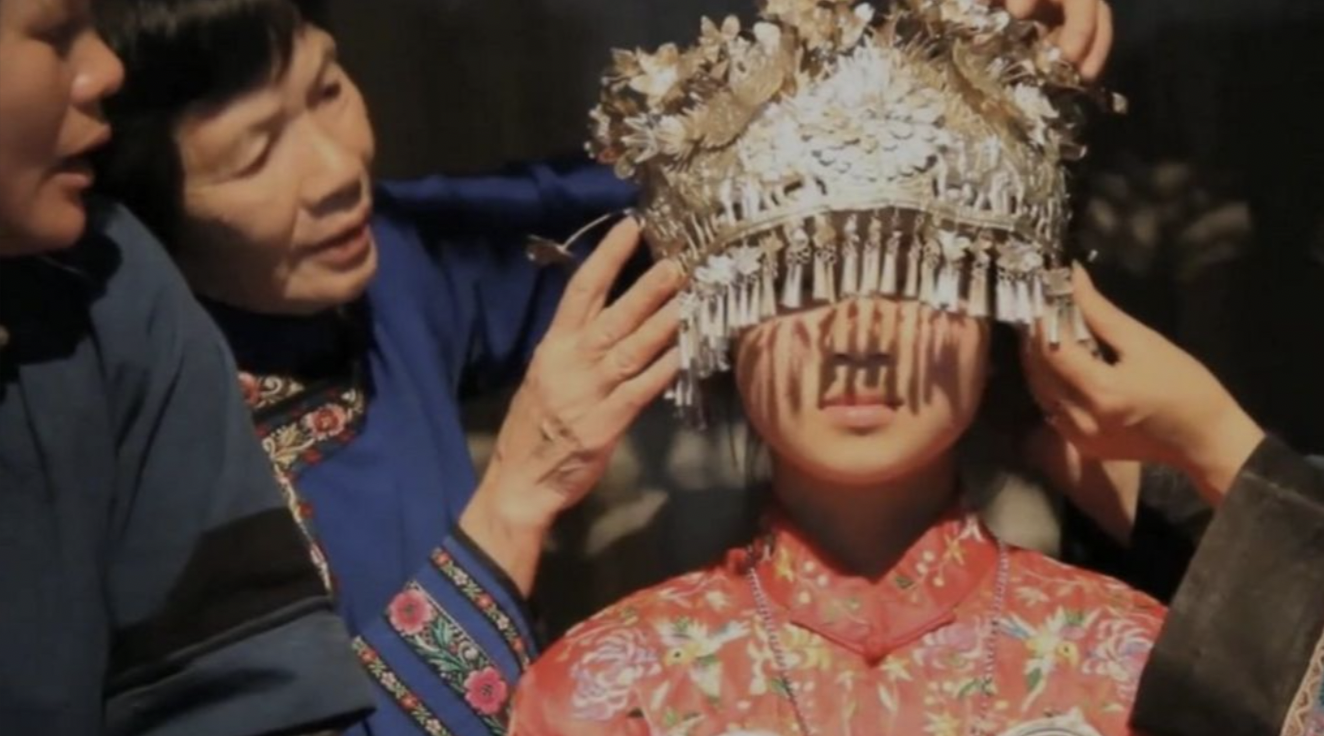
The origins of Jiangyong Nüshu (Nüshu) are shrouded in mystery. It is a unique writing system created by women in Jiangyong County, Hunan Province, China, and is the world's only script exclusively used by women. About its birth, many romantic legends circulate among the people: some say that an ancient palace maiden, longing for her sister who had married far away, transformed Chinese characters into delicate symbols, embroidering them on handkerchiefs to convey her feelings; others tell the story of peasant women Pan Qiao and Jiu Jin Nü, who created a script to record women's suffering through songs and embroidery. Despite the lack of definitive historical records, scholars speculate that Nüshu may have emerged during the Southern Song to Yuan dynasties (1127–1368) as part of a trend toward simplifying Chinese characters, and it developed into a complete system during the late Qing dynasty (1644–1911). In a feudal society bound by the "Three Obediences and Four Virtues," Jiangyong women were denied access to education, yet with astonishing creativity, they transformed Chinese characters into mysterious symbols with diamond-shaped frames and curved strokes, turning Nüshu into a "secret language" within the women's chambers.
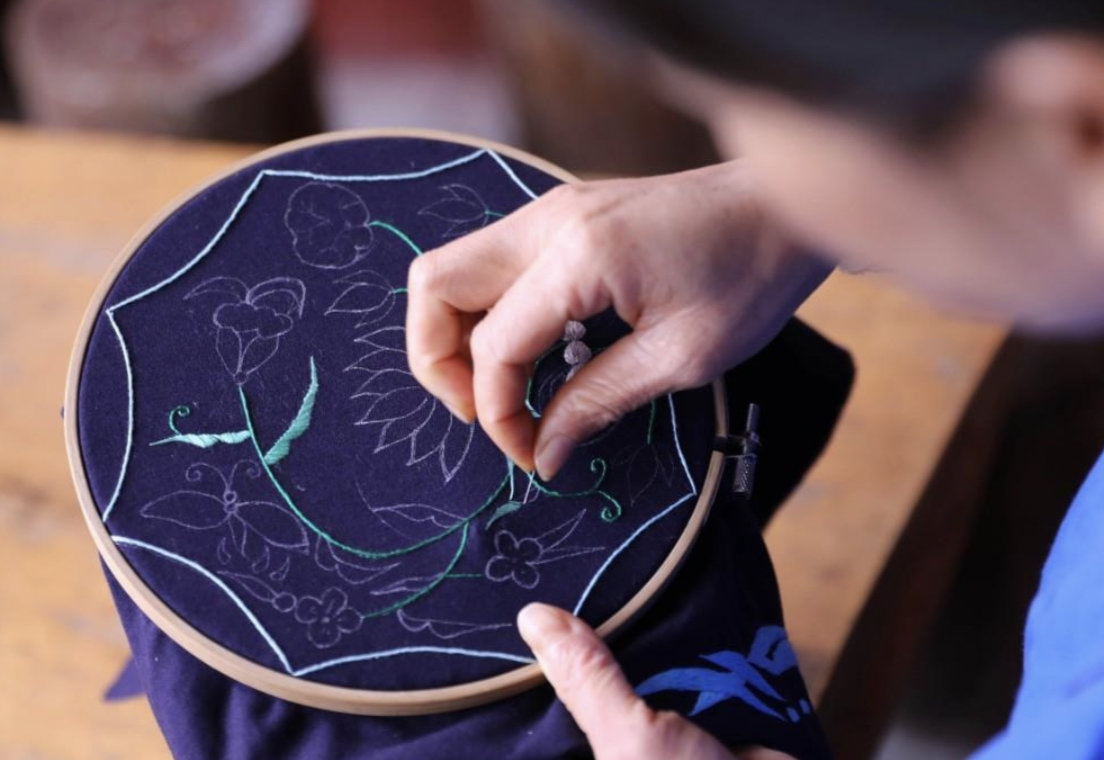
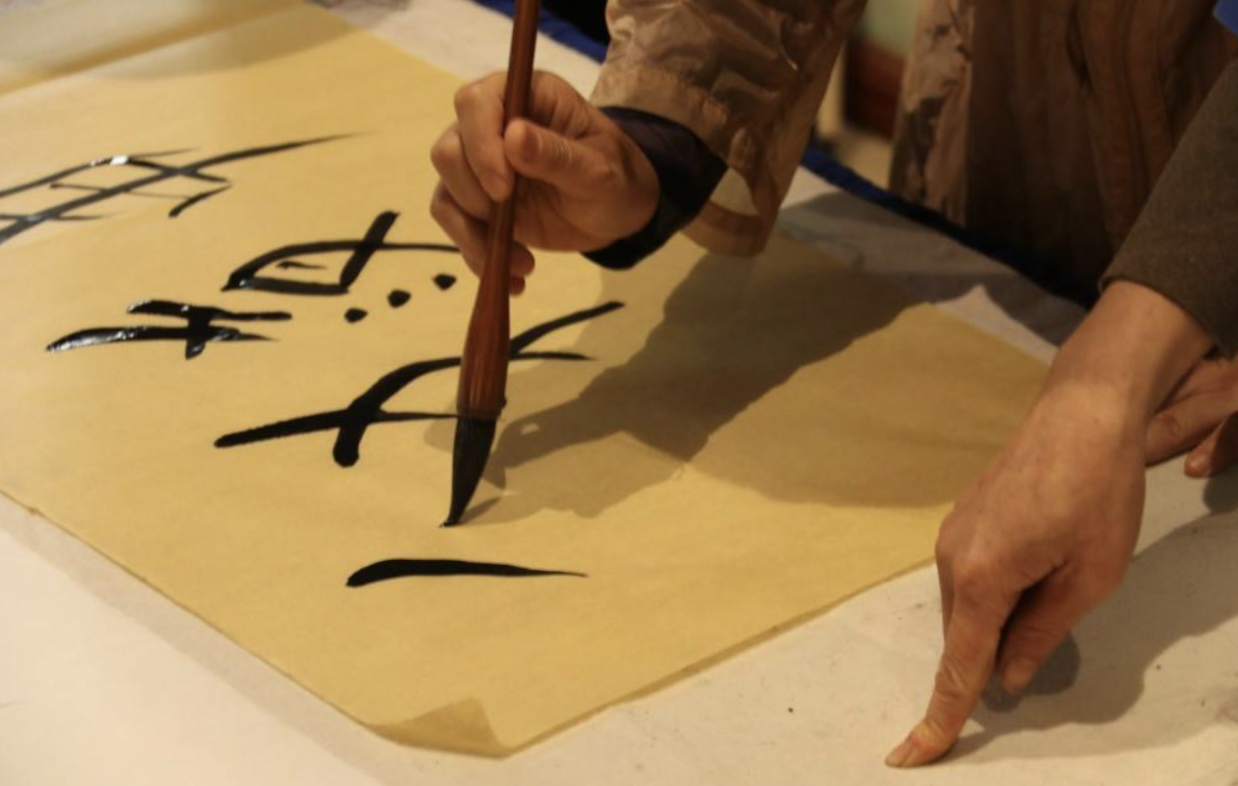
Nüshu consists of approximately 1,800 characters, each representing a syllable in the local dialect, distinctly different from the logographic nature of Chinese characters. Its script is slender and flowing, resembling willow leaves, blending dots, curves, and diagonal lines, as if embroidery patterns come alive on paper. About half of the characters are derived from modified Chinese characters—squares transformed into diamonds, strokes simplified or mirrored—while the other half are unique phonetic symbols corresponding to 130 dialect sounds. This unique structure allows Nüshu to be used for both poetic expression and the secret recording of personal thoughts. Jiangyong's humid climate made paper difficult to preserve, so women embroidered the script onto cloth, painted it on paper fans, or even carved it onto bamboo strips. The most iconic form is the "San Chao Shu" (Three Days Book), an embroidered cloth book gifted by mothers to their daughters three days after marriage. Wrapped in verses of blessing and laments about the constraints of marriage, it became a treasured medium for intergenerational emotional expression among women.
The Code of Script: The Feminine Aesthetics in Delicate Strokes
The Revolution in the Women's Chambers: Voices Written and Destinies Connected
In the private gatherings of "upstairs girls," women in Jiangyong used Nüshu for embroidery, sang ballads (nüge), and wrote autobiographical texts known as "su kelian" (telling of sorrow). These writings documented the pain of foot-binding, the suffocation of arranged marriages, and the deep bonds of sworn sisterhood (jiebai). The characters, unreadable to men, became a weapon for women to resist oppression: they used Nüshu to write letters maintaining sisterly networks after marriage, hid their longing for freedom on the surfaces of fans, and even sewed their final words into the hems of clothing to pass down through generations. Research shows that 70% of Nüshu texts focus on women's suffering, yet they always express resistance through poetic metaphors—as one Nüshu ballad sings, "The kite's string breaks and flies with the wind, a daughter's heart is hidden within these words."
From the Brink of Extinction to Global Memory
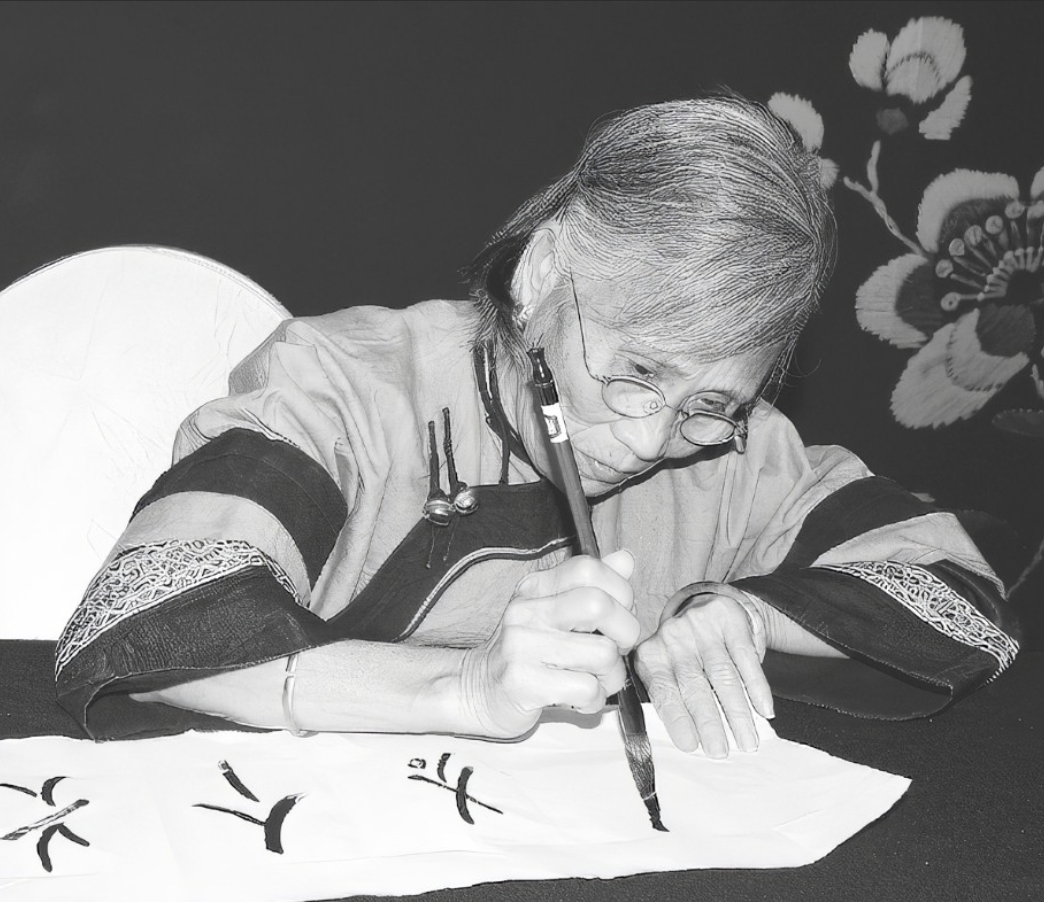
The wars and social upheavals of the 20th century nearly led to the extinction of Nüshu. In 2004, the passing of Yang Huanyi, the last natural inheritor of Nüshu, marked the end of its "living transmission." However, since the dawn of the new century, preservation efforts have breathed new life into this ancient script:
Museums and Digitization: The Jiangyong Nüshu Museum was established in 2002, and in 2017, Nüshu was included in the Unicode Standard, allowing users worldwide to input these millennia-old symbols on their computers.
International Attention: The documentary Hidden Letters (2022) shed light on the challenges of commercialization facing Nüshu, while restoration projects funded by the Ford Foundation have salvaged thousands of pages of endangered texts.
Cultural Revival: The younger generation is learning Nüshu embroidery through intangible cultural heritage courses, and designers are incorporating it into modern fashion. This ancient script is now telling stories of gender equality in new forms.
Conclusion: Writing as Power
Jiangyong Nüshu is not merely a set of characters; it is an epic through which a silenced community made its voice heard. It proves that even in the most oppressive times, women could use needles, threads, and ink to break through walls, transforming individual suffering into collective memory. Today, as Nüshu symbols flicker on digital screens and in art galleries, what we see is not just the continuation of cultural heritage but also a timeless alliance of women—those delicate strokes forever pulsating with an indomitable vitality.