Comparison & Conclusion
Writing Resistance Across Cultures
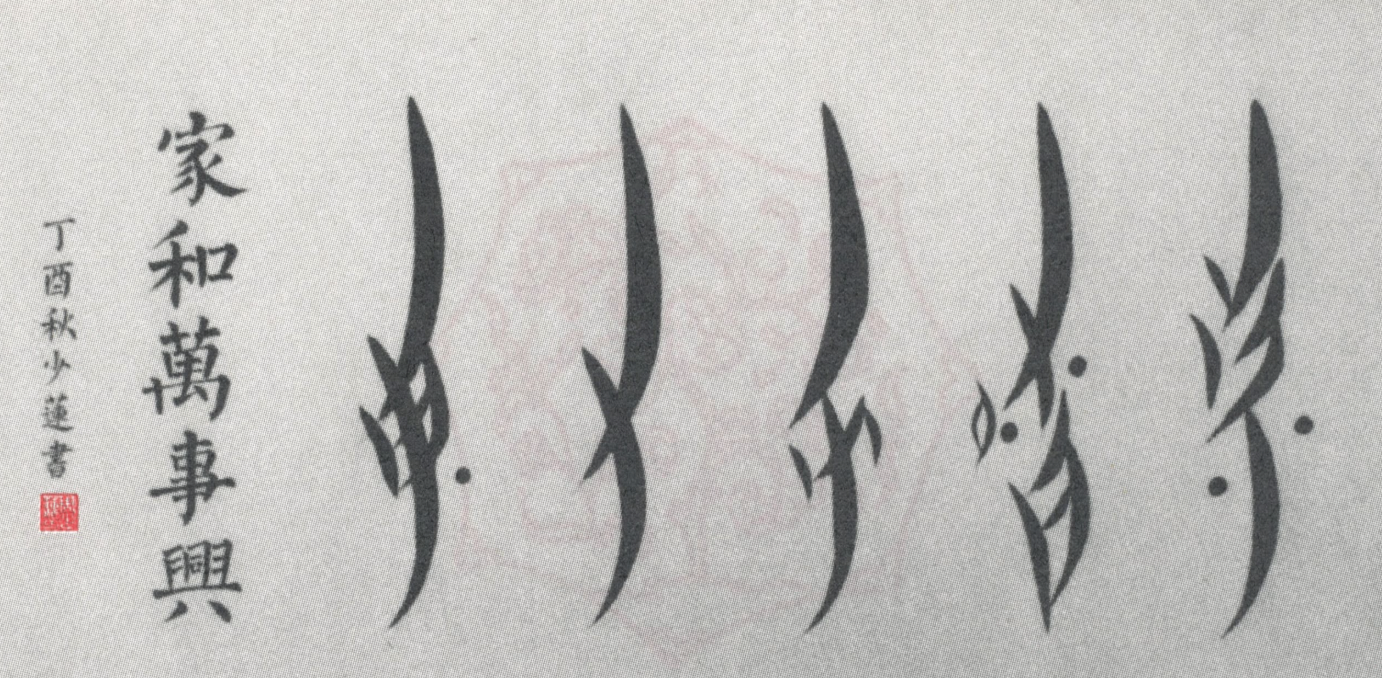
Nsibidi, Nüshu, and Loshn-koydesh are three unique writing systems originating from West Africa, China, and Jewish traditions, respectively. Each was used by women as a tool for gender resistance. This report aims to compare their origins, methods of use, and roles in gender resistance, while also summarizing their shared contributions to women’s empowerment and cultural preservation. By analyzing these systems, we gain deeper insight into the creativity and resilience of women across different historical and cultural contexts.
Introduction:
Comparison of Origins and Historical Background
| System | Origin | Historical Context |
|---|---|---|
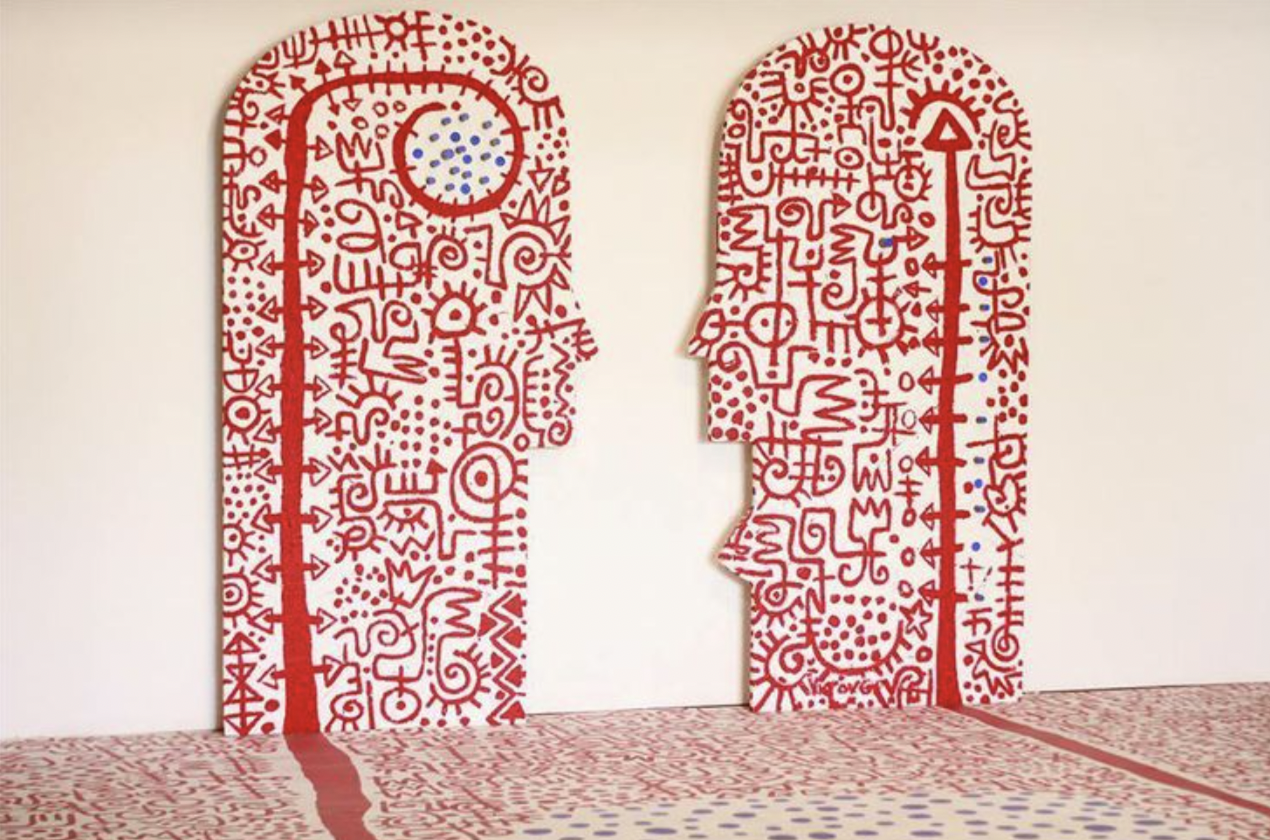
| Nsbidi | 5th century CE, southeastern Nigeria | Associated with male secret societies; women used decorative versions for expression. |
| Nüshu | 19th century, Jiangyong, Hunan, China | Developed by women excluded from education; secretly passed down among women. |
| Loshn-koydesh | Ancient Jewish religious tradition | Male-dominated; women restricted from formal study, learned informally. |
Comparison of Women's Methods of Use
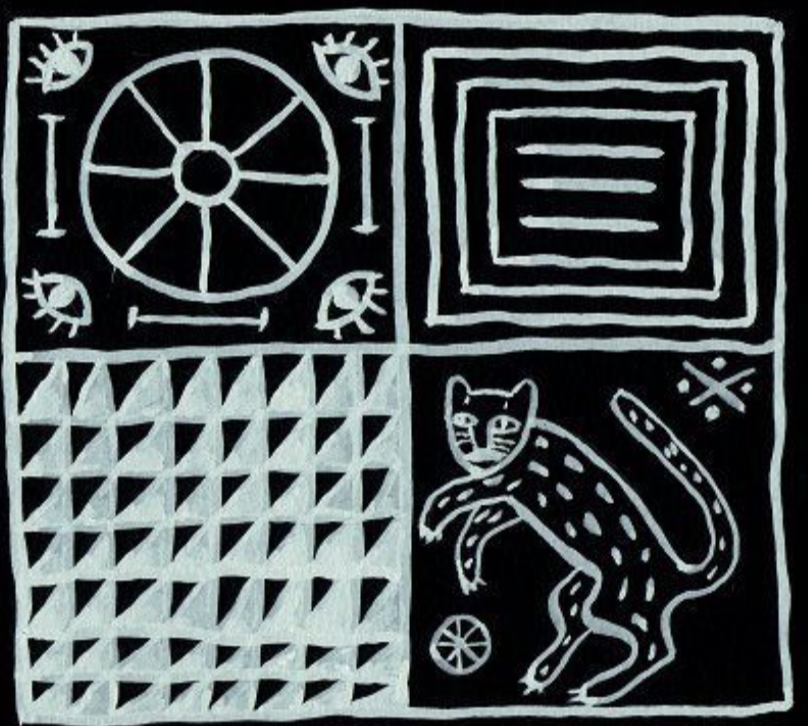
Nsibidi was used by women as a form of expression through decorative arts, such as painting symbols on ukara cloth and pottery, which may have served to reconstruct cultural identity. For example, post-menopausal women participated in the dyeing of ukara cloth and the creation of Nsibidi symbols, subtly challenging male control over symbolic and ritual power (Source: The Nsibidi script ca. 600-1909 CE: A History of an African Writing System).
Nüshu allowed women to write letters, poems, and autobiographies, providing a way to share repressed experiences and build female solidarity. A well-known example is the “San Chao Shu” (Third Day Book), in which women expressed their hopes and sorrows during the early days of marriage (Source: Nüshu: China’s Secret Female-only Language - BBC Travel).
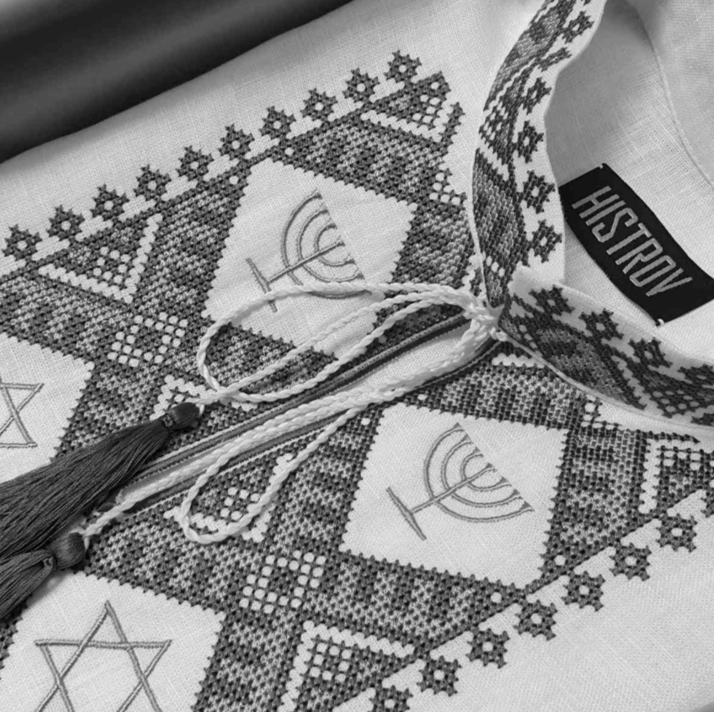
Loshn-koydesh was used by women in prayers and religious expression, often learned informally in defiance of educational restrictions. For instance, Eastern European Jewish women created phonetic Yiddish transcriptions of Hebrew prayers, ensuring their access to sacred texts despite formal exclusion (Source: Jewish Women’s Archive - Timeline).
| System | Usage | Examples |
|---|---|---|
| Nsbidi | Decorative art, e.g., ukara cloth and pottery | Postmenopausal women dyeing ukara cloth with symbolic patterns. |
| Nüshu | Letters, poetry, autobiographies | San Chao Shu (Three Days Book) expressing hope and sorrow. |
| Loshn-koydesh | Prayers, religious expression | Handwritten Hebrew prayers with Yiddish annotations. |
Comparative Table: Usage and Examples
Nsibidi, when used by women, may have challenged male dominance through artistic expression, redefining the meanings of symbols. For example, women reinterpreted the “double-line cross” as a symbol of sisterhood and female solidarity, in direct opposition to its traditional association with male secret society authority
Nüshu created a secret communicative space that resisted male intervention and preserved women’s history. An example is “su kelian”, a genre of Nüshu writing that expressed the suffering of women in marriage
Loshn-koydesh, when appropriated by women, resisted gender exclusion in religious spaces and reshaped the gendered interpretation of sacred language. For instance, in Reform Jewish services, women introduced the use of feminine grammatical endings to refer to God, challenging the male-centric language of traditional liturgy
Comparison of Roles in Gender Resistance
| System | Method | Examples |
|---|---|---|
| Nsbidi | Artistic reinterpretation, challenging male dominance over symbols | The “double-line cross” reinterpreted as a symbol of sisterhood |
| Nüshu | Secret communication, documenting women’s history | “Su kelian” expressing the suffering of women in marriage |
| Loshn-koydesh | Reshaping sacred language, challenging religious exclusion | Using feminine grammatical endings to refer to God |
Comparative Table: Method and Examples
Nsibidi, Nüshu, and Loshn-koydesh demonstrate the resilience of women across diverse cultures, using writing systems to resist gender oppression and preserve cultural identity. Nsibidi’s decorative applications have experienced a revival in contemporary art, Nüshu has been preserved through museum initiatives, and Loshn-koydesh has found new life within feminist Jewish movements.
These writing systems not only provided women with platforms for expression and community-building, but they also continue to inspire future generations to pursue gender equality, proving that language and art are powerful tools of resistance against oppression.
Comparative Table: Systems of Resistance
Nsibidi is an ancient ideographic writing system dating back to at least the 5th century CE, originating in southeastern Nigeria. It was primarily used by the Ekoi, Efik, Ibibio, and Igbo peoples. Initially associated with male secret societies such as the Ekpe society, Nsibidi was used to record court cases and facilitate ritual communication (Source: Nsibidi - Wikipedia).
Nüshu, by contrast, emerged in Jiangyong County, Hunan, China in the 19th century. Developed exclusively by women, Nüshu is a syllabic script used to write the local dialect. It arose in response to the exclusion of women from formal education in a patriarchal society.
Loshn-koydesh refers to the sacred languages of Hebrew and Aramaic in Jewish tradition. These languages were historically restricted to religious rituals and sacred texts. Due to gender norms, Jewish women were often denied access to formal religious education and therefore had limited opportunities to learn these languages.